Blog / Studio Note
Why we started a film studio when AI can make a video
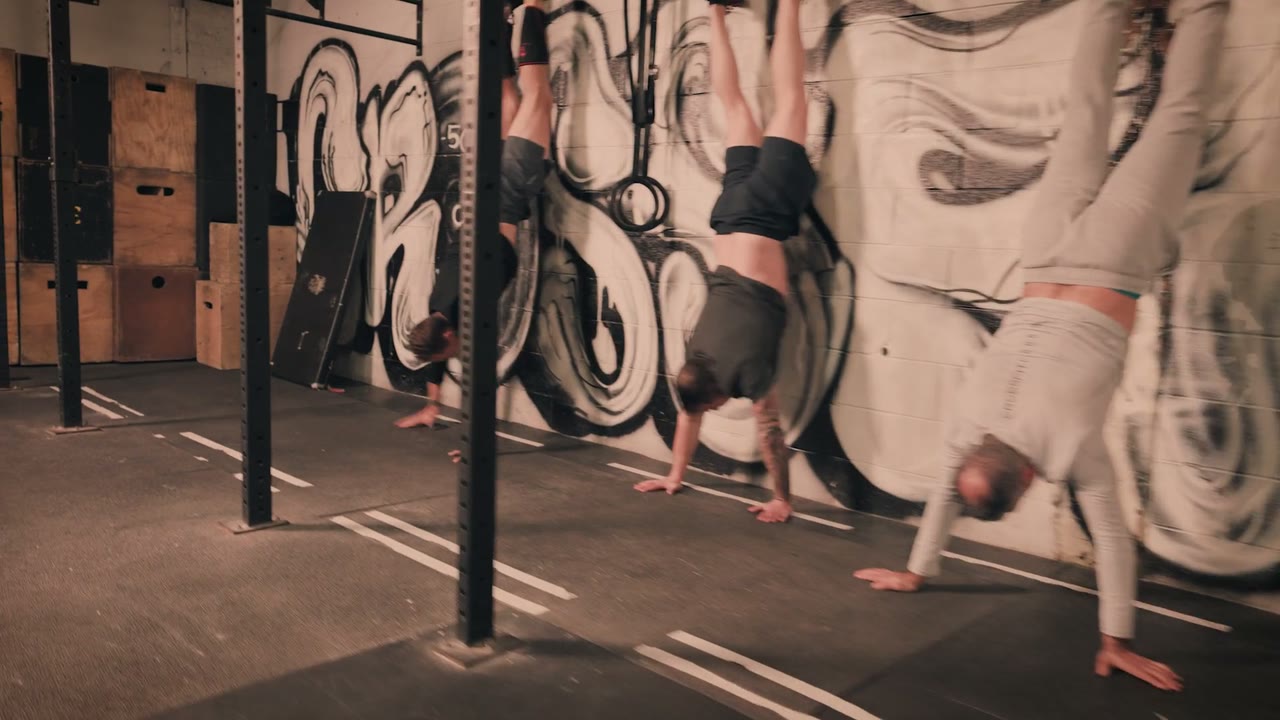
We recently launched Anahata Studios in Toronto, at a time when anyone with an idea can generate a video. We use AI ourselves. So when a business owner asks what a studio brings to the project, I think about a shoot we did at CrossFit Cambridge.
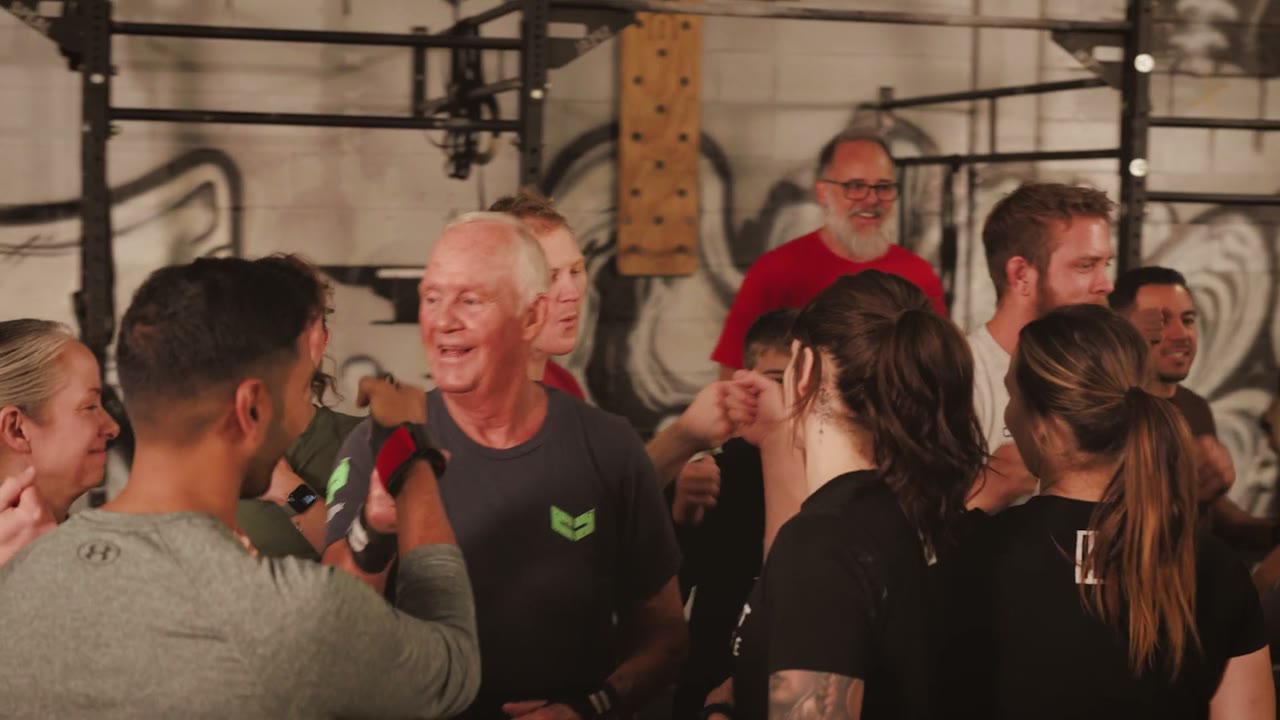
After the workout, the members stood together and talked. I keep thinking about that part of the shoot. Our shot list had pull-ups, handstands and a camera move around a pillar to reveal the whole gym. But imagine watching the film from home when you’ve never done a pull-up. You can already see how demanding the workout is. The question you might still have is, Would I feel welcome here?
Seeing people talk after class gives you a chance to answer that for yourself.
Where AI earns its place
Give Runway a still image and you can describe how you’d like the scene to move. Google’s Flow lets you use reference images to explore how a character or location carries across shots. For someone making a personal film, an unexpected result can become the whole idea. That’s a real creative opportunity.
Runway’s image-to-video guide · Google’s Flow update
For a business, one of the most useful things an AI-powered studio can offer is an early look at a creative decision. Take the gym. Open on an empty warehouse and you give the viewer time to notice the place before the members arrive. Open in the middle of a class and the viewer feels the pace immediately. We can use AI to sketch both ideas while changing direction is still easy. A gym owner can watch a few seconds of each and tell us which one feels closer to walking through their door.
I understand why people want a magic button. Getting a striking first image can feel like finding one. The work gets interesting when a client likes almost everything and asks for one small change. Keep this face, this light and this camera move. Let the expression linger a little longer. Now put it beside the next shot and see whether the moment still works. Knowing the tools gives us more ways to solve that problem. Deciding which version feels right is still a judgment someone has to make.
What people bring to the screen
Coca-Cola’s 2025 holiday campaign put familiar red trucks back on screen using generative AI. Human art directors reviewed thousands of generated clips. For all that work, The Verge called the result a “sloppy eyesore.” That was one critic’s reaction. What interests me is the expectation behind it. By the time those trucks appear, people already have a memory of how a Coca-Cola Christmas ad made them feel. Getting the truck right is only part of the job.
Campaign background · The Verge’s review
At CrossFit Cambridge, the opportunity was more intimate. We could plan a camera move, choose a lens and work out where to stand. When the workout ended, the members stood together discussing among themselves. They knew one another. We were there as guests. Paying attention to how people are with each other is part of the work we want to do for a business.
It’s also why we make original films. In our short film Les Filles, we wanted a peaceful afternoon at a cottage to carry a sense of unease. I like that directing can ask me to spend one weekend thinking about how long to hold on a quiet lake and another thinking about someone’s first day at a gym.
I want the tools to keep getting better. They give a young studio like ours room to attempt more. And when someone watches one of our films, I hope their first thought is about the person on screen. If a prospective member watches CrossFit Cambridge and thinks, I could walk into that class, I’m happy for the work behind the image to go unnoticed.
Watch Anahata Studios’ work